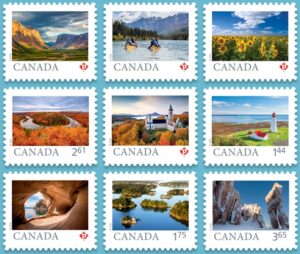
HAPPY CANADA’S 158th BIRTHDAY!
BONNE FÊTE DU CANADA!
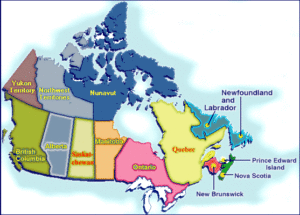
CANADA
www.canada.ca
https://en.wikipedia.org/wiki/Canada

TROYAK EXECUTIVE TEAM is informing all members, colleagues, collectors, and Polonia at large, that Club meetings taking place at John Paul II Polish Cultural Centre, 4300 Cawthra Rd. (just south of Hwy. 403), Mississauga, Ontario. The new members are always welcome. www.polishculturalcentre.ca
ADRES SPOTKAÑ KLUBOWYCH ! Zarząd Główny Klubu “Troyak” informuje wszystkich członków kolekcjonerów, sympatyków oraz całą Polonię, że spotkania klubowe odbywają się w Polskim Centrum Kultury im. Jana Pawła II, przy 4300 Cawthra Rd. (na południe od autostrady 403), Mississauga, Ontario. Zapraszamy nowych członków do prężnego. Klubu “Troyak”. www.polishculturalcentre.ca

“TROYAK” CLUB NEXT MEETINGS …
NASTĘPNE SPOTKANIA KLUBU “TROYAK” …

July & August 2025 –
Summer break … Letnie wakacje …

TROYAK CLUB @
Roncesvalles Polish Festival 2025
Saturday – September 13th 2025 &
Sunday – September 14th, 2025
https://polishfestival.ca www.kazimierz.org
St. Casimir’s Church
Parish Hall … 156 Roncesvalles Ave. Toronto, Ontario
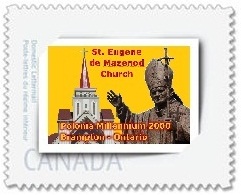
Stamp Exhibit … Pope John Paul II on World Stamps
and Displays of Coins, Stamps, Collectibles
by Troyak Club Members.
Roncesvalles Polish Festival
www.troyakclub.com
28th September 2025
26th October 2025
23rd November 2025
Sunday – 30th November 2025 @ 9:00 a.m. to 4:00 p.m.
Mississauga Coin & Stamp Show
December 2025 … Happy Holidays!
Piękno Polski
The Beauty of Poland
www.poczta-polska.pl
2025-04-30 … Nominał znaczka: 4.90 zł … Autor projektu: Joanna Fleszar – Haspert; Ilość znaczków w emisji: 6; Format bloku: 149×154 mm; Technika druku / Papier: Offset / Fluorescencyjny; Nakład: 90 000 szt.; Blok sprzedażny: 1.
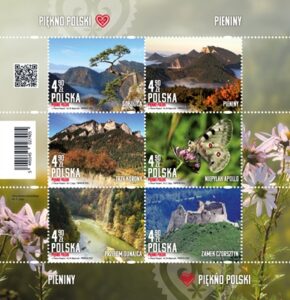
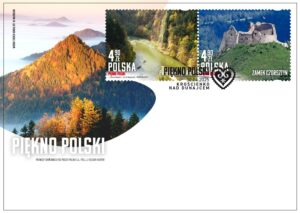
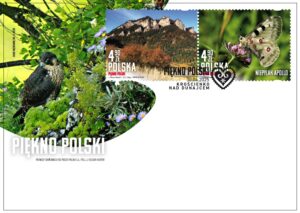
Pieniński Park Narodowy zajmuje najcenniejsze pod względem krajobrazowym i przyrodniczym obszary Pienin Właściwych: Masyw Trzech Koron, Pieniny Czorsztyńskie, Pieninki, Pieniński Przełom Dunajca. Z Pienin Spiskich włączone zostały w obszar parku tylko Zielone Skałki. Ma najwyższy wśród wszystkich polskich parków narodowych wskaźnik nasilenia ruchu turystycznego w przeliczeniu na 1 ha powierzchni. Dla turystów udostępniono 35 km szlaków. Zalicza się do nich również stanowiący atrakcję na skalę europejską spływ tratwami przełomem Dunajca (jego trasę można przejść także pieszo Drogą Pienińską). Dla turystów przygotowano galerie widokowe na Trzech Koronach i Sokolicy. Pobliskimi atrakcjami turystycznymi są również ruiny Zamku w Czorsztynie i Zamek w Niedzicy. 53% powierzchni parku to własność Skarbu Państwa (ponad połowa zakupiona jeszcze w czasach II Rzeczypospolitej), reszta to tereny prywatne na których prowadzona jest działalność gospodarcza
2025-04-30 … Denomination: 4,90 PLN … Author of the stamp design: Joanna Fleszar – Haspert; Number of stamps in issue: 6; Stamp size: 149 x 154 mm; Paper: Fluorescent; Printing techniques: Offset; Sales s. sheet: 1; Print run: 90 000 pcs.
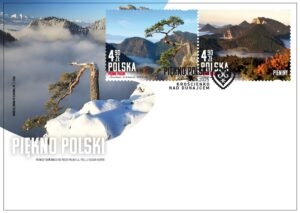
Pieniny National Park is a protected area in southern Poland, stretching to Slovakia. It encompasses trails weaving through the forested Pieniny Mountain Range. The fast-flowing Dunajec River winds through the park as well. The park is home to deer and wild boar. Northwest are the Czorsztyn Castle ruins, with views of Lake Czorsztyn and surrounding mountains, plus exhibits on the history of the stronghold.
80. rocznica zakończenia II wojny światowej
80th Anniversary of the End of World War II
www.poczta-polska.pl
2025-05-08 … Nominał znaczka: 4.90 zł … Autor projektu: Roch Stefaniak; Ilość znaczków w emisji: 1; Format znaczka: 31,25×51 mm; Technika druku / Papier: Rotograwiura / Fluorescencyjny; Nakład: 100 000 szt.; Arkusz sprzedażny: 12.
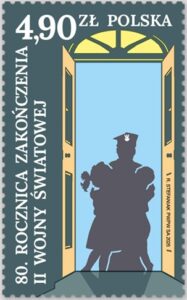
II wojna światowa – największa wojna w dziejach, zaliczana do wojen totalnych, trwająca od 1 września 1939 roku do 2 września 1945 roku. Walki toczyły się głównie w Europie, Azji oraz Afryce i na wszystkich oceanach, choć miała także epizody w Arktyce i Ameryce Północnej. Oprócz państw Europy, ich kolonii i państw Azji brały w niej udział także państwa obu Ameryk. Mimo podpisania przez Niemcy 8 maja 1945 roku aktu bezwarunkowej kapitulacji, na niektórych obszarach działania zbrojne trwały jeszcze przez jakiś czas. W wojnie uczestniczyło 1,7 miliarda ludzi, w tym 110 milionów ludzi z bronią. Zginęły w niej dziesiątki milionów osób; według różnych szacunków od 50 do 78 milionów. Rekordowe liczby to skutek między innymi ludobójstw, przede wszystkim Holokaustu, pochłaniających miliony ludzkich istnień.
II wojna światowa, zakończyła się wejściem w życie aktu bezwarunkowej kapitulacji Niemiec, 8 maja 1945 roku o 22.30 czasu środkowo-europejskiego. Działania wojenne zostały przerwane o godzinie 23.01. Kapitulacja III Rzeszy oznaczała oficjalny koniec wojny w Europie. Wydawałoby się, że najgorsze czasy już się zakończyły. Niestety, pierwsze lata po wojnie były dla ludności bardzo trudne. Zniszczone miasta, zaginieni członkowie rodzin, bieda i brak wszystkiego, bardzo dawały się we znaki.
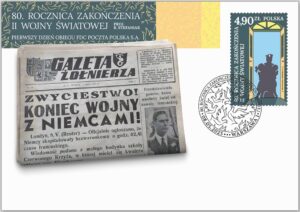
2025-05-08 … Denomination: 4,90 PLN … Author of the stamp design: Roch Stefaniak; Number of stamps in issue: 1; Stamp size: 31,25 x 51 mm; Paper: Fluorescent; Printing techniques: Rotogravure; Sales sheet: 12; Print run: 100 000 pcs.
As we celebrate the eightieth anniversary of the end of the Second World War, a profoundly tragic chapter in the history of the world and Europe, which was forcibly divided into two for almost half a century, we are reminded of the importance of reflection and commemoration. We must honour the sacrifices made and mourn the countless lives lost during and after the war, including those who were victims of the Holocaust, occupations, deportations and acts of repression. We remain steadfast in their commitment to collaborating with all Member States of the United Nations to eliminate these scourges worldwide and create a more peaceful, equitable, and prosperous future for generations to come.
To build our common future, we must be cognizant of our present and our past. Given our responsibility towards all victims of atrocities, war crimes and crimes against humanity, past and present, it is crucial that initiatives commemorating the Second World War remain committed to historical truth and reconciliation.
Today, we consider a draft resolution which includes a powerful call on Member States to settle all disputes by peaceful means in conformity with the Charter of the United Nations at a time when Russia’s war of aggression against Ukraine continues unabated. The irony that Russia, together with the DPRK and Belarus, is among the main sponsors having tabled the draft resolution should not escape us. And neither should the cynicism of using “denazification” to justify its illegal aggression and occupation of part of an independent UN Member State – one, it must be recalled, that had to suffer decades of “colonization” under the rule of the then Soviet Union. We strongly condemn such politically motivated misuse of the anti-Nazism narrative.
And let us also not forget, dear Colleagues, that this is not the only war or crisis that persists unresolved: The Middle East, Sudan, or the DRC, to mention just three, are festering crises that constitute a blot on our collective historic responsibility to ensure peace and human rights. This anniversary must serve as a reminder of our commitment to renounce the threat or use of force against the territorial integrity, sovereignty, and self-determination of any nation or people. We vow to uphold the principles enshrined in the UN Charter and strongly affirm that there is no place for the use of force or coercion in altering internationally recognized borders in the 21st century or in denying peoples their freedom and dignity. These principles are central to settle any current conflicts and prevent further ones. To succeed, we need to build on the progress made since the end of the Second World War in promoting democratic values, human rights, and fundamental freedoms.
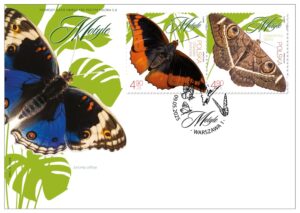
Motyle
Butterflies
www.poczta-polska.pl
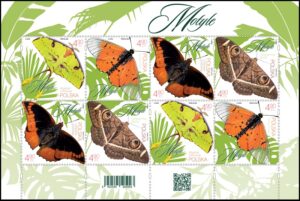
2025-05-09 … Nominał znaczka: 4.90 zł … Autor projektu: Andrzej Gosik; Ilość znaczków w emisji: 1; Format znaczka: 45×45 mm; Technika druku / Papier: Offset / Fluorescencyjny; Nakład: 100 000 szt.; Arkusz sprzedażny: 8 (4×2).
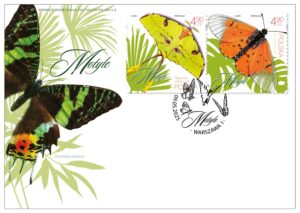
2025-05-09 … Denomination: 4.90 PLN … Author of the stamp design: Andrzej Gosik; Number of stamps in issue: 1; Stamp size: 45 x 45 mm; Paper: Fluorescent; Printing techniques: Offset; Sales sheet: 8 (4×2); Print run: 100 000 pcs.
Międzynarodowy Dzień Dziecka
International Children’s Day
www.poczta-polska.pl
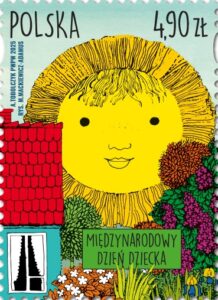
2025-06-01 … Nominał znaczka: 4.90 zł … Autor projektu: Agata Tobolczyk; Ilość znaczków w emisji: 1; Format znaczka: 31,25×43 mm; Technika druku / Papier: Offset / Fluorescencyjny; Nakład: 144 000 szt.; Arkusz sprzedażny: 12.
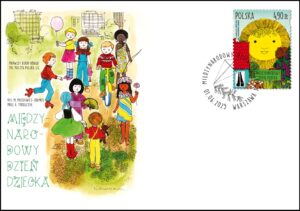
2025-06-01 … Denomination: 4.90 PLN … Author of the stamp design: Agata Tobolczyk; Number of stamps in issue: 1; Stamp size: 31,25×43 mm; Paper: Fluorescent; Printing techniques: Offset; Sales sheet: 12; Print run: 144 000 pcs.
Tysiąclecie koronacji Bolesława Chrobrego
www.nbp.pl
Narodowy Bank Polski ma wyłączne prawo do emitowania monet i banknotów w Polsce. Wszystkie znaki pieniężne emitowane przez NBP – w tym kolekcjonerskie – są prawnym środkiem płatniczym w Polsce. Emisja wartości kolekcjonerskich stanowi okazję zarówno do upamiętniania ważnych historycznych rocznic i postaci, jak i do rozwijania zainteresowań polską kulturą, nauką i tradycją.
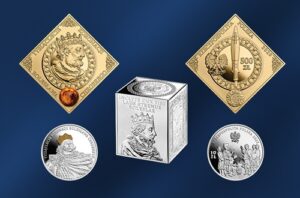
Moneta złota … Nominał: 500 zł … metal: Au 999,9; stempel: lustrzany; wymiary: 40,00 x 40,00mm; masa: 62,20 g; nakład: 1025 szt.; Emitent: NBP; Na zlecenie NBP monety wyprodukowała Mennica Polska SA. Data emisji: 16-04-2025.
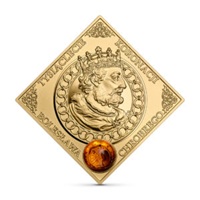
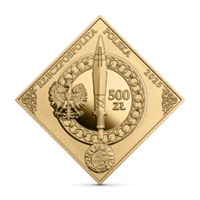
Strona odwrotna (rewers): Centralnie popiersie Bolesława Chrobrego według XVIII-wiecznego medalu Jana Filipa Holzhaeussera, otoczone wieńcem z ornamentu. U dołu awers denara Princes Polonie, pokryty elementem bursztynowym. Wzdłuż brzegu napis: TYSIĄCLECIE KORONACJI BOLESŁAWA CHROBREGO. W trzech rogach powtarzający się ornament. Strona przednia (awers): Centralnie stylizowany grot włóczni św. Maurycego, z lewej strony wizerunek orła ustalony dla godła Rzeczypospolitej Polskiej, pod orłem, po prawej stronie, znak mennicy: m / w; z prawej strony włóczni napis: 500 / ZŁ, w tle wieniec z ornamentu. U dołu rewers denara Princes Polonie, z lewej i prawej strony w rogach powtarzający się ornament. U góry, wzdłuż brzegu, napis: RZECZPOSPOLITA POLSKA 2025.
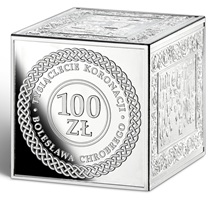
Moneta srebrna … Nominał: 100 zł … metal: Ag 999/1000; stempel: lustrzany/zwykły; wymiary: 29 x 29×35,5mm; masa: 311,00 g; nakład: 1025 szt.; Emitent: NBP; Na zlecenie NBP monety wyprodukowała Mennica Polska SA. Data emisji: 16-04-2025.
Strona przednia (awers): Centralnie, otoczony dwoma okręgami, wizerunek orła ustalony dla godła Rzeczypospolitej Polskiej, pod orłem, po prawej stronie, znak mennicy: m / w. Wokół okręgów, od lewej strony ku górze, napis: RZECZPOSPOLITA POLSKA 2025. Całość otoczona wieńcem z ornamentu.
Strona odwrotna (rewers): Centralnie, otoczony dwoma okręgami napis: 100 / ZŁ. Wokół okręgów półkolem napisy, u góry: TYSIĄCLECIE KORONACJI, u dołu: BOLESŁAWA CHROBREGO, rozdzielone perełkami. Całość otoczona wieńcem z ornamentu.
Brzeg (bok): Na pierwszym boku popiersie Bolesława Chrobrego według XVIII-wiecznego medalu Jana Filipa Holzhaeussera oraz u góry napis: INCLYTE DUX TIBI / LAUS STRENUE / BOLESLAE. Na drugim boku, w lewo od popiersia Bolesława Chrobrego, scena z kwatery XVI Drzwi Gnieźnieńskich, przedstawiająca wykupienie z rąk Prusów zwłok św. Wojciecha przez Bolesława Chrobrego. Na trzecim boku scena z kwatery XVII Drzwi Gnieźnieńskich, przedstawiająca przeniesienie ciała św. Wojciecha. Na czwartym boku scena z kwatery XVIII Drzwi Gnieźnieńskich, przedstawiająca złożenie do grobu w Gnieźnie szczątków św. Wojciecha.
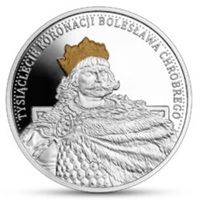
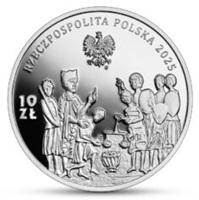
Moneta srebrna … Nominał: 10 zł … metal: Ag 999/1000; stempel: lustrzany; średnica: 32,00mm; masa: 14,14 g; nakład: 10,000 szt.; Emitent: NBP; Na zlecenie NBP monety wyprodukowała Mennica Polska SA. Data emisji: 16-04-2025
Strona odwrotna (rewers): Centralnie popiersie Bolesława Chrobrego wzorowane na wizerunku króla z „Pocztu królów i książąt polskich” Jana Matejki. Wzdłuż górnego brzegu półkolem napis: TYSIĄCLECIE KORONACJI BOLESŁAWA CHROBREGO; powyżej napisu perełki.
Strona przednia (awers): U dołu fragment sceny z kwatery XVI Drzwi Gnieźnieńskich, przedstawiającej wykupienie z rąk Prusów zwłok św. Wojciecha przez Bolesława Chrobrego. Z lewej strony napis: 10 / ZŁ, u góry wizerunek orła ustalony dla godła Rzeczypospolitej Polskiej, pod orłem, po prawej stronie, znak mennicy: m / w; wzdłuż górnego brzegu półkolem napis: RZECZPOSPOLITA POLSKA 2025.
Narodowy Bank Polski wprowadził do obiegu wyjątkowe monety kolekcjonerskie upamiętniające jedno z najdonioślejszych wydarzeń w dziejach Polski. Jeden z najważniejszych momentów w historii Polski Narodowy Bank Polski upamiętnił emisją wyjątkowych monet: złotej w kształcie klipy o nominale 500 zł, srebrnej w kształcie prostopadłościanu o nominale 100 zł oraz srebrnej o nominale 10 zł.
Moneta o nominale 500 zł jest wykonana ze złota o próbie 999,9, ma wymiary 40,00×40,00 mm i masę 62,20 g. Jej nakład emisyjny wynosi do 1025 sztuk. Moneta została wykonana stemplem lustrzanym i ozdobiona wklejką bursztynową.
Moneta o nominale 100 zł jest wykonana ze srebra o próbie 999, ma wymiary 29,00×29,00×35,50 mm i masę 311,00 g. Jej nakład emisyjny wynosi do 1025 sztuk. Moneta została wykonana stemplem lustrzanym i zwykłym, z zastosowaniem techniki matowania laserowego i wybłyszczenia reliefu. Jest to pierwsza moneta w kształcie prostopadłościanu wyemitowana przez Narodowy Bank Polski.
Moneta o nominale 10 zł jest wykonana ze srebra o próbie 999, ma średnicę 32,00 mm i masę 14,14 g. Jej nakład emisyjny wynosi do 10 000 sztuk. Moneta została wykonana stemplem lustrzanym z selektywnym złoceniem. Wizerunki Bolesława Chrobrego użyte w obecnej emisji monet kolekcjonerskich pochodzą z XVIII i XIX w. Są one efektem kreatywnej wyobraźni artystów i dokumentują zainteresowanie osobą pierwszego polskiego króla.
Na rewersie monety złotej został przedstawiony wizerunek Bolesława Chrobrego według XVIII-wiecznego medalu autorstwa medaliera Jana Filipa Holzhaeussera, a poniżej – wizerunek awersu denara Princes Polonie, na który został nałożony element bursztynowy. Na awersie – poza stałymi elementami: napisem „Rzeczpospolita Polska”, rokiem emisji, nominałem oraz wizerunkiem orła ustalonym dla godła Rzeczypospolitej Polskiej – zostały zaprezentowane stylizowany grot włóczni św. Maurycego oraz rewers denara Princes Polonie.
Na rewersie monety srebrnej o nominale 100 zł widnieją nominał oraz napis „TYSIĄCLECIE KORONACJI BOLESŁAWA CHROBREGO”. Na awersie znajdują się: napis „Rzeczpospolita Polska”, rok emisji oraz wizerunek orła ustalony dla godła Rzeczypospolitej Polskiej. Na trzech bokach monety zostały zaprezentowane stylizowane sceny z wybranych kwater Drzwi Gnieźnieńskich: z kwatery XVI – wykupienie z rąk Prusów zwłok św. Wojciecha przez Bolesława Chrobrego, z kwatery XVII – przeniesienie ciała św. Wojciecha, z kwatery XVIII – złożenie do grobu w Gnieźnie szczątków świętego. Na głównym boku monety znajduje się wizerunek Bolesława Chrobrego według XVIII-wiecznego medalu autorstwa medaliera Jana Filipa Holzhaeussera.
Na rewersie monety srebrnej o nominale 10 zł został umieszczony wizerunek Bolesława Chrobrego według „Pocztu królów i książąt polskich” Jana Matejki. Na awersie znajduje się fragment sceny z kwatery XVI Drzwi Gnieźnieńskich, przedstawiającej wykupienie zwłok św. Wojciecha.
Koronacja Bolesława Chrobrego w 1025 r. była jednym z najdonioślejszych wydarzeń pośród podobnych, w które obfitowało panowanie tego władcy. Dzięki jego aktywności doszło bowiem w 1000 r. do utworzenia Arcybiskupstwa Gnieźnieńskiego, co wówczas oznaczało emancypację i wzmocnienie siły państwa, nie tylko zaś miało religijną doniosłość. Wydarzenie to było możliwe dzięki objęciu opieką przez władcę polskiego misji biskupa praskiego Wojciecha Sławnikowica – późniejszego patrona Polski, św. Wojciecha – do pogańskich Prusów, a następnie wykupieniu ciała męczennika za złoto – według legendy – równe jego wadze. Duże znaczenie w całej sprawie miały bliski sojusz, a nawet przyjaźń władcy polskiego z cesarzem Ottonem III, które utorowały drogę do późniejszej koronacji Bolesława Chrobrego.
Około 1000 r. Bolesław rozkazał wybić monetę znaną jako denar Princes Polonie, na której po raz pierwszy pojawiła się łacińska nazwa kraju, czym manifestował istnienie organizmu politycznego równego znaczeniem innym państwom ugruntowanego chrześcijaństwa.
Postępy chrystianizacji, wiążące się z ustanowieniem arcybiskupstwa, stanowiły ochronę dla mieszkańców przed sprzedawaniem ich jako niewolników. Wygrane przez Bolesława Chrobrego ciężkie i długie wojny z władcą Niemiec Henrykiem II dały kształtującej się społeczności świadomość sukcesu i etos zwycięzców, co miało później znaczenie w trudnych czasach.
Uwieńczenie świetnego panowania Bolesława Chrobrego koronacją wniosło do pamięci historycznej powstającej polskiej wspólnoty przeświadczenie, że jest ona równa przodującym narodom chrześcijańskiej Europy. Przez stulecia pamięć o tym wydarzeniu umacniała morale polskiej społeczności, a w okresie rozbiorów podtrzymywała idee niepodległości i podmiotowości kolejnych pokoleń Polaków.

The Millennium of the Coronation
of Bolesław the Brave
www.nbp.pl
The National Bank of Poland has the exclusive right to issue coins and banknotes in Poland. All currency issued by the NBP – including collectors’ items – are legal tender in Poland. The issuance of collectors’ items is an opportunity to commemorate important historical anniversaries and figures, as well as to develop interest in Polish culture, science and tradition.
Face value: 500 zł … Metal: Au 999,9; Finish: standard, high relief; Dimensions: 40.00 x40,00mm; Weight: 62.20 g; Mintage: up to 1025 pcs; Issuer: Narodowy Bank Polski; The coins, commissioned by Narodowy Bank Polski, were struck by Mennica Polska SA. Issue date: 16-04-2025.
Back side (reverse): Centrally, the bust of Boleslaus the Brave according to an 18th-century medal by Jan Filip Holzhaeusser, surrounded by an ornamental wreath. At the bottom, the obverse of a Princes Polonie denarius, covered by an amber element. Along the rim, the inscription: TYSIĄCLECIE KORONACJI BOLESŁAWA CHROBREGO (1000th Anniversary of the Coronation of Boleslaus the Brave). A repeated ornament in three corners.
Front side (obverse): Centrally, a stylised tip of the Lance of Saint Maurice; on the left, an image of the Eagle established as the state emblem of the Republic of Poland; below the Eagle, on the right, the Mint mark: m / w; to the right of the lance, the inscription: 500 / ZŁ; an ornamental wreath in the background. At the bottom, the reverse of a Princes Polonie denarius; in the corners on the left and right, a repeated ornament. At the top, along the rim, the inscription: RZECZPOSPOLITA POLSKA (Republic of Poland) 2025.
Face value: 100 zł … Metal: Ag 999/1000; Finish: standard, high relief; Dimensions: 29 x29 x 35,5mm; Weight: 311.00 g; Mintage: up to 1025 pcs; Issuer: Narodowy Bank Polski; The coins, commissioned by Narodowy Bank Polski, were struck by Mennica Polska SA. Issue date: 16-04-2025.
Front side (obverse): In the centre, surrounded by two circles, an image of the eagle established as the emblem of the Republic of Poland; under the eagle, on the right, the mint mark: m / w. Around the circles, from the left to the top, an inscription: RZECZPOSPOLITA POLSKA 2025. The whole is surrounded by a wreath of an ornament.
Reverse side (back): In the center, surrounded by two circles, an inscription: 100 / ZŁ. Around the circles, semicircular inscriptions, at the top: TYSIĄCLECIE KORONacji, at the bottom: BOLESŁAW CHROBREGO, separated by pearls. The whole surrounded by a wreath of ornament.
Edge (side): On the first side there is a bust of Bolesław the Brave according to an 18th-century medal by Jan Filip Holzhaeusser and at the top there is an inscription: INCLYTE DUX TIBI / LAUS STRENUE / BOLESLAE. On the other side, to the left of the bust of Bolesław the Brave, a scene from section XVI of the Gniezno Doors, depicting the ransoming of the body of St. Adalbert from the Prussians by Bolesław the Brave. On the third side, a scene from section XVII of the Gniezno Doors, depicting the transfer of the body of St. Adalbert. On the fourth side, a scene from section XVIII of the Gniezno Doors, depicting the burial of the remains of St. Adalbert in Gniezno.
Face value: 10 zł … Metal: Ag 999/1000; Finish: standard, high relief; Diameter: 32,00 mm; Weight: 14.14 g; Mintage: up to 10,000 pcs; Issuer: Narodowy Bank Polski; The coins, commissioned by Narodowy Bank Polski, were struck by Mennica Polska SA. Issue date: 16-04-2025.
Reverse side (back): In the centre, a bust of Bolesław the Brave based on the image of the king from Jan Matejko’s “Gallery of Polish Kings and Princes”. Along the upper edge, a semicircular inscription: TYSIĄCLECIE KORONacji BOLESŁAW CHROBREGO (THE MILLENNIUM OF THE CORONATION OF BOLESŁAW THE BRAVE); above the inscription, pearls.
Front side (obverse): At the bottom, a fragment of a scene from section XVI of the Gniezno Doors, depicting the ransoming of the body of St. Adalbert from the Prussians by Bolesław the Brave. On the left-hand side, an inscription: 10 / ZŁ, at the top, an image of the eagle established as the coat of arms of the Republic of Poland, under the eagle, on the right-hand side, the mint mark: m / w; along the upper edge, a semicircular inscription: RZECZPOSPOLITA POLSKA 2025.
The National Bank of Poland commemorated one of the most important moments in the history of Poland by issuing unique coins: a gold clip-shaped coin with a face value of 500 PLN, a silver cuboid-shaped coin with a face value of 100 PLN, and a silver coin with a face value of 10 PLN.
The 500 PLN coin is made of 999.9 fine gold, has dimensions of 40.00×40.00 mm and a weight of 62.20 g. Its mintage is up to 1025 pieces. The coin was made with a mirror finish and decorated with an amber insert.
The 100 PLN coin is made of 999 fine silver, has dimensions of 29.00×29.00×35.50 mm and weighs 311.00 g. Its mintage is up to 1025 pieces. The coin was made using a mirror and regular die, using a laser matting technique and relief polishing. It is the first cuboid coin issued by the National Bank of Poland.
The 10 PLN coin is made of 999 fine silver, has a diameter of 32.00 mm and a weight of 14.14 g. Its mintage is up to 10,000 pieces. The coin was made with a mirror finish with selective gilding. The images of Bolesław the Brave used in the current issue of collector coins come from the 18th and 19th centuries. They are the result of the creative imagination of artists and document the interest in the person of the first Polish king.
The reverse of the gold coin features the image of Bolesław the Brave according to an 18th-century medal by medalist Jan Filip Holzhaeusser, and below it is the image of the obverse of the Princes Polonie denarius, to which an amber element has been superimposed. On the obverse – in addition to the permanent elements: the inscription “Rzeczpospolita Polska”, the year of issue, the face value and the image of the eagle established as the coat of arms of the Republic of Poland – the stylized spearhead of St. Maurice and the reverse of the Princes Polonie denarius are presented.
The reverse of the silver coin with a face value of 100 zł features the face value and the inscription “THE MILLENNIUM OF THE CORONATION OF BOLESŁAW THE CHROBRY”. The obverse features the inscription “Rzeczpospolita Polska”, the year of issue and the image of the eagle established as the emblem of the Republic of Poland. Stylized scenes from selected sections of the Gniezno Doors are presented on three sides of the coin: section XVI – the redemption of the body of St. Adalbert from the Prussians by Bolesław the Brave, section XVII – the transfer of St. Adalbert’s body, section XVIII – the burial of the saint’s remains in Gniezno. The main side of the coin features the image of Bolesław the Brave according to an 18th-century medal by medalist Jan Filip Holzhaeusser.
The reverse of the silver coin with a face value of 10 zloty features the image of Bolesław the Brave according to Jan Matejko’s “Poczt królów i Książąt polskiego”. The obverse features a fragment of a scene from section XVI of the Gniezno Doors, presenting the ransoming of the body of St. Adalbert.
The coronation of Bolesław the Brave in 1025 was one of the most significant events among similar ones, which abounded in the reign of this ruler. Thanks to his activity, the Archbishopric of Gniezno was established in 1000, which at that time meant emancipation and strengthening of the state’s power, and not only had religious significance. This event was possible thanks to the Polish ruler taking care of the mission of the Prague bishop Wojciech Sławnikowic – later the patron saint of Poland, St. Wojciech – to the pagan Prussians, and then ransoming the body of the martyr for gold – according to legend – equal to its weight. Of great importance in the whole matter was the close alliance and even friendship of the Polish ruler with Emperor Otto III, which paved the way for the later coronation of Bolesław the Brave.
Around 1000, Bolesław ordered the minting of a coin known as the Princes Polonaise denarius, on which the Latin name of the country appeared for the first time, thus demonstrating the existence of a political entity equal in importance to other states of established Christianity.
The progress of Christianization, associated with the establishment of the archbishopric, protected the inhabitants from being sold as slaves. The hard and long wars won by Bolesław the Brave against the German ruler Henry II gave the emerging community an awareness of success and an ethos of victors, which was later important in difficult times.
The crowning of the brilliant reign of Bolesław the Brave with the coronation brought into the historical memory of the emerging Polish community the conviction that it was equal to the leading nations of Christian Europe. For centuries, the memory of this event strengthened the morale of the Polish community, and during the partitions, it maintained the ideas of independence and subjectivity of subsequent generations of Poles.
Eid (2025) booklet of 6 Permanent™ stamps
www.canadapost.ca
This stamp commemorates the festivals of Eid al-Fitr and Eid al-Adha. Celebrated by Muslims all over the world – and by more than one million Muslims in Canada – both events can last several days and include communal prayers and feasts, visits with family, gift giving and acts of charity. In 2025, they take place in March and June, respectively. The Eid stamp is one of several annual issues that mark events of importance to Canada’s culturally diverse population. The others include Diwali, Hanukkah and Christmas.
Good to know … ***Booklet of 6 Permanent™ domestic rate stamps; ***This stamp commemorates the festivals of Eid al-Fitr and Eid al-Adha. Celebrated by Muslims all over the world – and by more than one million Muslims in Canada – both events can last several days and include communal prayers and feasts, visits with family, gift giving and acts of charity. In 2024 ,5, they take place in March and June, respectively; ***This is Canada Post’s seventh Eid stamp. The previous ones were issued in 2017, 2020, 2021, 2022, 2023, and 2024.
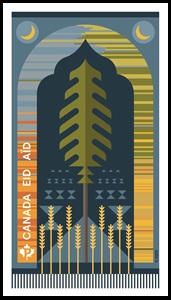
About the issue … In celebration of Canada’s cultural diversity, this stamp marks two of the most important religious holidays in Islam. This year, Eid al-Fitr, which signifies the end of fasting during the month of Ramadan, and Eid al-Adha, which follows the completion of the Hajj pilgrimage to Mecca, take place in March and June, respectively. The stamp features an illustration modified from the original design template for the Canadian Prayer Rug.
About the Canadian Prayer Rug … Prayer is a pillar of Muslim faith practised several times daily and on special holidays, including Eid al-Fitr and Eid al-Adha. Rugs help beautify and focus the act of prayer and play an important part in gift giving and cultural exchange, often embodying local stories, materials, patterns and techniques. The Canadian Prayer Rug – a project of the charity IslamicFamily – celebrates the deep and enduring connection between Indigenous and Muslim peoples and the multi-faith collaboration that built Canada’s first mosque in Edmonton in 1938. A reflection of their shared stories, it was created by Muslim weaver Noor Iqbal and Métis designer Kit Craven, based on interviews conducted by local youth with Indigenous Elders and descendants of some of Canada’s first Muslim settlers.
The rug’s design depicts Alberta’s diverse landscapes and distinct seasons. At its centre are an archway and a lodgepole pine – a tree that supports teepees and lodges and is reminiscent of the cypress of settler homelands. This year, Eid al-Fitr, which marks the end of Ramadan, and Eid al-Adha, which follows the Hajj pilgrimage to Mecca, take place in March and June, respectively.
About Eid … Eid al-Fitr, or the Festival of Breaking the Fast, marks the end of Ramadan, the month of fasting. Fasting, which is observed from sunrise to sunset, is one of the most distinctive practices in the Islamic religion. In 2025, Eid al-Fitr takes place in March.
Eid al-Adha, or the Festival of Sacrifice, marks the end of the Hajj pilgrimage, in which millions of Muslims journey to one of the holiest sites in Islam – the Kaaba in Mecca, Saudi Arabia. The festival also honours the prophet Abraham (Ibrahim), a revered figure within Judaism, Christianity and Islam, for his willingness to sacrifice his son as an act of obedience to God. Before Ibrahim could sacrifice Isma’il (identified as his son Isaac in the Jewish and Christian traditions), God substituted a lamb. Also called Eid al-Kabir, or the Greater of the two Eids, the festival takes place in June in 2025.
Both festivals embody central Islamic practices and values, including empathy and sacrifice for those in need and appreciation for one’s community and greater humanity. These are expressed through communal prayers and feasts, gift giving and acts of charity.
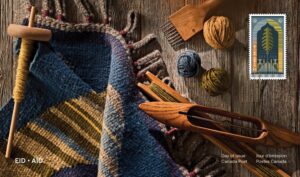
About the design … The booklet cover and the inside and back of the booklet feature photographs of the original, handwoven Canadian Prayer Rug. The inside and back include images of some of the tools and materials that would have been used to create it. On the inside (left to right) are a spool and hanks of yarn; bowls of logwood and black tea, red oak and willow leaves, and bark (used as dyes); and a weaving raddle. On the back are another raddle and shuttle, as well as a spool. Also featured are a short text on the stamp subject, and credit and caption information. Stamp Designer: Kristine Do; Stamp Illustrator: Kit Craven; Quantity Produced: 55,000 booklets of 6 Permanent™ stamps; Cancellation Site: Edmonton, Alberta. Issue Date: March 10, 2025.
Eid 2025 Official First Day Cover cancelled in Edmonton, Alberta, home of the Canadian Prayer Rug featured on the stamp. This Official First Day Cover features the Eid 2025 stamp, which commemorates the festivals of Eid al-Fitr and Eid al-Adha. Celebrated by Muslims all over the world – and by more than one million Muslims in Canada – both events can last several days and include communal prayers and feasts, visits with family, gift giving and acts of charity. In 2025, they take place in March and June, respectively.
The front of the Official First Day Cover features a photograph of the original handwoven Canadian Prayer Rug and some of the tools and materials that would have been used to make it: a spool, shuttles, a raddle and balls of yarn. The cover also includes the text “Eid/Aïd” and the Eid stamp, cancelled in Edmonton, Alberta – home of the Canadian Prayer Rug. The cancel mark features stalks of wheat reminiscent of the ones that appear on the Canadian Prayer Rug. The back of the Official First Day Cover features a short text on the stamp subject, along with credits and captions. The stamp was cancelled on March 3, a few weeks ahead of Eid -al-Fitr, which takes place in March in 2025. Stamp Designer: Kristine Do; Stamp Illustrator: Kit Craven; Quantity Produced 4,500; Issue Date: March 10, 2025.
Brian Mulroney: booklet of 10 Permanent™ stamps
www.canadapost.ca
The Brian Mulroney: booklet of 10 Permanent™ stamps pays tribute to The Right Honourable Brian Mulroney (1939-2024), Canada’s 18th prime minister. Serving from 1984 to 1993, Brian Mulroney led transformative economic, environmental and political initiatives. Canada Post has a longstanding tradition of commemorating former prime ministers through the annual commemorative Canada Post stamp program.
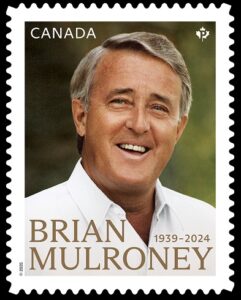
The Right Honourable Martin Brian Mulroney, C.C., (1939-2024) was Canada’s 18th prime minister, serving from 1984 to 1993. Considered one of Canada’s most consequential prime ministers, he believed that Canadian democracy “is advanced by the collision of great ideas and the articulation of competing visions of the country.” Born in Baie-Comeau, Quebec, the son of an electrician, Mulroney earned a degree in political science from St. Francis Xavier University and a law degree at Université Laval. He worked as a lawyer and corporate executive before he was elected leader of the Progressive Conservative Party in 1983.
He led the party to a record-breaking win in the general election the following year. His government ushered in significant privatizations, tax reforms and deregulations and reduced government expenditures. It also introduced transformative economic and environmental initiatives, including the Canada-United States Free Trade Agreement, the North American Free Trade Agreement and the Canada-U.S. Air Quality Agreement. Under his leadership, Canada took on influential roles on the global stage, notably in the campaign against apartheid in South Africa and in the reunification of Germany at the close of the Cold War.
About the design … The stamp features a photograph of a relaxed and broadly smiling Mulroney by Bill McCarthy. Taken while Mulroney was prime minister, the image captures his approachable demeanour. A soft, neutral background allows the portrait to stand out, while gold accents add elegance and prestige. The booklet cover features a photo by Tony Bock. Cancellation Site: Baie-Comeau, Quebec; Stamp Designer: Paprika; Quantity Produced: 120,000 booklets of 10 Permanent™ stamps; Issue Date: March 21, 2025.

Official First Day Cover cancelled in Baie-Comeau, Quebec, his birthplace, pays tribute to The Right Honourable Brian Mulroney (1939-2024), Canada’s 18th prime minister. Serving from 1984 to 1993, Brian Mulroney led transformative economic, environmental and political initiatives. Canada Post has a longstanding tradition of commemorating former prime ministers through the annual commemorative Canada Post stamp program. Stamp Designer: Paprika; Quantity Produced: 7,000; Issue Date: March 21, 2025.
Triple Maple – $20 Fine Silver Coin
www.mint.ca
The maple leaf has a timeless quality that lends itself beautifully to artistic representations, especially those that capture the leaf’s symmetrical form and intricate veins in all their natural beauty. That beauty is evident in the many maple portraits brought to life by Senior Engraver Stan Witten throughout his 35-year career, and it certainly shines through in this new, original design that has all the earmarks of a classic.
Based on a photograph taken in his backyard, Stan’s Triple Maple design reflects his passion for nature, his appreciation for maple leaves, and his dedication to his craft. It is a classic maple arrangement rendered in a classic style, featuring Stan’s characteristic focus on form and depth of detail. The result is a stunning, everlasting portrait that will renew your appreciation for a natural icon that continues to captivate and inspire us.
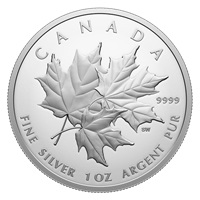
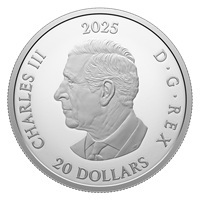
Face Value: $20 … Composition: 99.99% pure silver; Mintage: 7,500; Weight: 31.39 g; Diameter: 38 mm; Edge: Serrated; Finish: Proof; Artist: Stan Witten (reverse), Steven Rosati (obverse); Packaging: Black clamshell with black beauty box.
Designed and sculpted by Senior Engraver Stan Witten, the coin’s reverse features a pleasing arrangement of three sugar maple (Acer saccharum) leaves. Gently overlapping, the leaves are tilted towards the right to convey movement, as though the leaves are falling or have just landed on the ground, while still allowing a clear view of their intricate vein pattern. The obverse features the effigy of His Majesty King Charles III by Canadian artist Steven Rosati.
Triple Maple – $50 Fine Silver Coin
www.mint.ca
The maple leaf has a timeless quality that lends itself beautifully to artistic representations, especially those that capture the leaf’s symmetrical form and intricate veins in all their natural beauty. That beauty is evident in the many maple portraits brought to life by Senior Engraver Stan Witten throughout his 35-year career, and it certainly shines through in this new, original design that has all the earmarks of a classic.
Based on a photograph taken in his backyard, Stan’s Triple Maple design reflects his passion for nature, his appreciation for maple leaves, and his dedication to his craft. It is a classic maple arrangement rendered in a classic style, featuring Stan’s characteristic focus on form and depth of detail. The result is a stunning, everlasting portrait that will renew your appreciation for a natural icon that continues to captivate and inspire us.
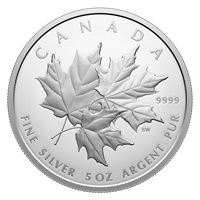
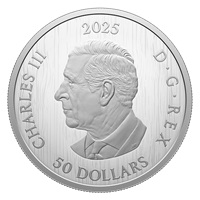
Face Value: $50 … Composition: 99.99% pure silver; Mintage: 1,750; Weight: 157.6 g; Diameter: 65.25 mm; Edge: Serrated; Finish: Proof; Artist: Stan Witten (reverse), Steven Rosati (obverse); Packaging: Black clamshell with black beauty box.
Triple Maple – $200 Pure Gold Coin
www.mint.ca
The maple leaf has a timeless quality that lends itself beautifully to artistic representations, especially those that capture the leaf’s symmetrical form and intricate veins in all their natural beauty. That beauty is evident in the many maple portraits brought to life by Senior Engraver Stan Witten throughout his 35-year career, and it certainly shines through in this new, original design that has all the earmarks of a classic.
Based on a photograph taken in his backyard, Stan’s Triple Maple design reflects his passion for nature, his appreciation for maple leaves, and his dedication to his craft. It is a classic maple arrangement rendered in a classic style, featuring Stan’s characteristic focus on form and depth of detail. The result is a stunning, everlasting portrait that will renew your appreciation for a natural icon that continues to captivate and inspire us.
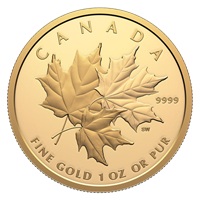
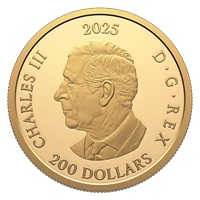
Face Value: $200 … Composition: 99.99% pure gold; Mintage: 600; Weight: 31.16 g; Diameter: 30 mm; Edge: Serrated; Finish: Proof; Artist: Stan Witten (reverse), Steven Rosati (obverse); Packaging: Black clamshell with black beauty box.
DID YOU KNOW?… Acer saccharum, the sugar maple, is arguably the most famous maple tree in Canada — it’s the preferred species for maple syrup production, and it’s abundantly found in our eastern forests.
Designed and sculpted by Senior Engraver Stan Witten, the coin’s reverse features a pleasing arrangement of three sugar maple (Acer saccharum) leaves. Gently overlapping, the leaves are tilted towards the right to convey movement, as though the leaves are falling or have just landed on the ground, while still allowing a clear view of their intricate vein pattern. The obverse features the effigy of His Majesty King Charles III by Canadian artist Steven Rosati.
Stan Witten, Senior Engraver … Maples are beautiful year-round, even in winter, and I fell in love with them when I moved to Ottawa – I even planted a few in our backyard, and those trees provided the inspiration for this design. In the fall of 2023, as the leaves were coming down, I gathered some and placed them on the ground to form the arrangement seen here. After photographing it, I drew a sketch and then sculpted it, taking care to give each leaf a 3D composition by including undulations that form subtle valleys, and concave areas that create visual movement.
That’s the key to creating visual interest in a shape that, upon first glance, seems so simple (although it’s not): depending on the art style, a subtle 3D form is more interesting than a series of carved lines. And a strong central image, with a lot of negative space to keep the focus on the main subject — in this case, the maple leaves — makes for a classic design with lasting appeal. These leaves are presented cleanly and without any attachments; they could be interpreted as being in free flight or laying on the ground, and as being symbolic of the passage of time. Having them lean to the right adds a clockwise circular flow that complements the coin shape, while still allowing a great view of the leaf that is so symbolic of Canada and our wild places, which have inspired me throughout my life and career.
Matt Eggink, Product Manager … I have had the wonderful privilege of working with Stan for well over 10 years. He has a love for sculpting coins that is contagious, and his passion and appreciation for maple leaves really shines through in this special collection of coins, which he so lovingly brought to life. Working with Stan on this project has been memorable for me, one that I consider to be an honour and a privilege. Thank you, Stan!
Ken Farr … The shape and form of the sugar maple (Acer saccharum) leaf is a familiar element in Canada’s eastern forests. A common element of the landscape that surrounds us, it is, at the same time an icon, a symbol of Canada that is recognized world-wide.
Multilayered Beaver – Fine Silver Coin
www.mint.ca
Canada’s iconic beaver, now in a 3D space. On the 50ᵗʰ anniversary of Castor canadensis becoming an official symbol of Canada, the iconic beaver from G. E. Kruger Gray’s five-cent coin design has been given its own space to shine on this 99.99% pure silver coin, which features layers of engraving—not just on the coin’s surface, but on its interior, too. This is made possible by Multilayered Engraving, an innovative minting technique pioneered by our engineers and previewed in early 2020 (From the R&D Lab: Multilayered Polar Bear). Using special dies, we’re able to engrave behind the reverse’s top plate, which cuts away to present a more multidimensional rendering of this classic coin design featuring a cherished Canadian emblem.
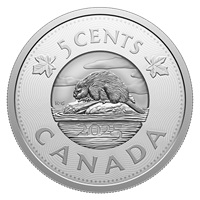
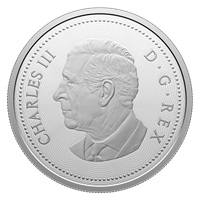
Face Value: 5 cent … Composition: 99.99% pure silver; Mintage: 1650; Weight: 110.66 g; Diameter: 55 mm; Edge: Serrated; Finish: Proof; Artist: G. E. Kruger Gray/RCM Engravers (reverse), Steven Rosati (obverse); Packaging: Black clamshell with black beauty box.
DID YOU KNOW? … The beaver is one of the only mammals (other than humans) known to manufacture its own environment, and as an ecosystem engineer, its building and logging activities are key to maintaining the health of our wetlands. From the 17ᵗʰ to the mid-19ᵗʰ century, the beaver found itself at the centre of the fur trade that was the economic engine of pre-Confederation Canada. Owing to its important role in this nation’s history and already a cultural icon, Castor canadensis was proclaimed an official symbol of the sovereignty of Canada 50 years ago, on March 24, 1975, when the National Symbol of Canada Act received royal assent.
Your coin’s reverse is an innovative multidimensional rendering of Canada’s five-cent circulation coin design by G. E. Kruger Gray. The words “5 CENTS” and “CANADA” are engraved on the reverse’s top plate surface, and at the centre, the iconic beaver is surrounded by cut-outs revealing the landscape elements (clouds, water) and the year (“2025”) engraved on the interior surface. A wave pattern appears on both the top plate and on the coin’s obverse, which features the effigy of His Majesty King Charles III by Canadian artist Steven Rosati.
Olivia Godwin, Product Engineer … “This coin is multidimensional, and involves two pieces—a bottom cup manufactured using a reverse extrusion process and a thin top plate/layer. It was particularly challenging working will all the delicate features of this coin, and masterfully assembling the components. I’m confident this will be a collector favourite!”
Eric Boyer, 3D Artist – Engraver … “To accommodate the multilayered technology, we had to make a few layout alterations to the iconic five-cent design we all know and love. Notice the word ‘CANADA’ appears as an arc on the bottom portion of the top plate, while the date remains visible through the cut-out window. The biggest sculpting challenge was ensuring the even distribution of relief across the surface of the bottom cup—for example, the clouds, water and date needed to be perfectly aligned in order to achieve a flawless strike.”
Animal Portraits –
Fine Silver Three-Coin
www.mint.ca
Each coin in the Animal Portraits series features a finely detailed snapshot of an iconic Canadian animal in its natural setting, beginning with the Arctic titan that seems poised to step out of Coin #1. In the natural world, the three animal icons featured in this series—the polar bear, elk and wolf—need their space, but Animal Portraits gets up close and catches them in an unguarded moment, ultimately inspiring a deep love and respect for Canada’s wildlife and wild places.
Animal Portraits: Polar Bear –
$20 Fine Silver Coin
www.mint.ca
Venture north with the first of our Animal Portraits featuring close-up views of animal icons. Step into the wild, or let it come to you, with the new Animal Portraits series of selectively gold-plated 99.99% pure silver coins! This first coin travels to Canada’s Arctic region for a view of the great northern bear: Ursus maritimus, better known as the polar bear, the largest of Canada’s four resident bear species. This coin’s reverse offers a rare close encounter with this revered Arctic emblem, unguarded and seemingly unaware of the viewer’s presence, as it casually steps out of the framed centre portion.
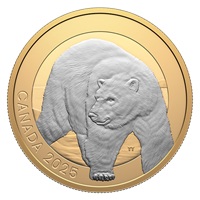
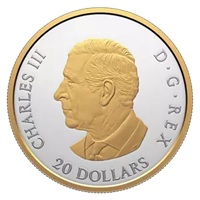
Face Value: $20 … Composition: 99.99% pure silver with selective yellow gold plating; Mintage: 7,500; Weight: 31.39 g; Diameter: 38 mm; Edge: Serrated; Finish: Proof; Artist: Trevor Tennant (reverse), Steven Rosati (obverse); Packaging: Black clamshell with black beauty box.
DID YOU KNOW?… Canada is home to more than two-thirds of the world’s polar bear population, or approximately 16,000 of the 20,000-25,000 bears that live in polar regions.
The reverse design by artist Trevor Tennant features an engraved portrait of the polar bear (Ursus maritimus), surrounded by yellow gold plating. Moving across the snow-covered ice that lies at the sea’s edge, the polar bear looks off to the side as it steps out of the central portion of the design, placing its forepaws onto the outer portion where “CANADA” and “2025” are engraved. The obverse features the gold-plated effigy of His Majesty King Charles III by Canadian artist Steven Rosati.
Eric Boyer, Senior Engraver … Foreshortened views like this one are always tricky, given the nature of sculpting in bas relief. Moreover, the trompe l’oeil effect of this art hinges on the bear stepping out of the frame towards the outer edge of the coin, and it was difficult to give the bear’s forepaw the necessary heft given that there’s even less relief to work with there. I enjoyed capturing the balance of the bear’s powerful anatomy while depicting it on a tranquil walk.
Animal Portraits: Elk –
$20 Fine Silver Coin
www.mint.ca
The elk stands tall on this second Animal Portraits coin. The second coin in our Animal Portraits series brings you deep into Canada’s forests for a close-up view of Cervus canadensis, more commonly known as the elk or wapiti. With a hoof-to-shoulder height of up to 1.5 metres (or nearly 5 feet) or more, and antlers that can add an extra 110-160 centimetres, a mature elk bull (male) is one of Canada’s largest terrestrial mammals. Those antlers are on full display on this coin’s reverse, which places you right by the elk’s side in order to emphasize its heft and height.
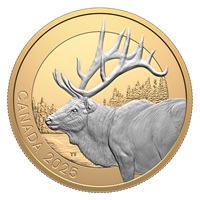
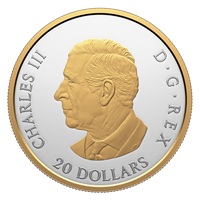
Face Value: $20 … Composition: 99.99% pure silver with selective yellow gold plating; Mintage: 7,500; Weight: 31.39 g; Diameter: 38 mm; Edge: Serrated; Finish: Proof; Artist: Trevor Tennant (reverse), Steven Rosati (obverse); Packaging: Black clamshell with black beauty box.
DID YOU KNOW? … The elk is the second-largest member of the deer family (the moose is the largest), and only mature male elk have antlers, which are shed and regrown each year.
Set against a gold-plated field, the reverse design by artist Trevor Tennant features a close-up view of the elk or wapiti (Cervus canadensis), standing along a river in its forest habitat (seen in the gold-plated background). In order to convey its size, the mature bull (male) is positioned on the outer portion next to the words “CANADA” and “2025”, its tall antlers extending past the framed centre. The obverse features the effigy of His Majesty King Charles III by Canadian artist Steven Rosati.
Eric Boyer, Senior Engraver … It’s always a pleasure to sculpt animals in their Canadian habitat. This one was challenging, given that the elk is almost looking back at us so its hind quarters need to pop out of frame, but there wasn’t much relief height to work with there. But it was really fun to sculpt its mighty, branching antlers, coming out of frame.
Animal Portraits: Grey Wolf –
$20 Fine Silver Coin
www.mint.ca
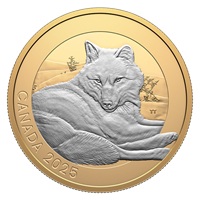
Our final portrait finds the wolf at rest. Popular images of the wolf will show it on the prowl with its piercing gaze focused on the viewer, or else howling at a full moon; in reality, the wolf is a social creature that would much rather keep its distance from humans. This is what makes our third Animal Portraits coin so unique: it’s a close view of a wolf at rest, its eyes passively observing its surroundings and its forepaws casually extended outside the framed centre portion to suggest a relaxed state during this rare, unguarded moment.
Face Value: $20 … Composition: 99.99% pure silver with selective yellow gold plating; Mintage: 7,500; Weight: 31.39 g; Diameter: 38 mm; Edge: Serrated; Finish: Proof; Artist: Trevor Tennant (reverse), Steven Rosati (obverse); Packaging: Black clamshell with black beauty box.
DID YOU KNOW? … Pack cohesion is strongest in the winter, a time when a wolf’s diet consists mainly of larger prey (such as deer), which requires cooperation among the pack members who hunt and travel together.
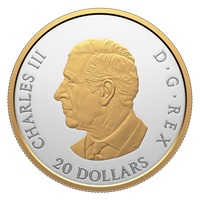
The reverse design by artist Trevor Tennant features the grey wolf (Canis lupus) presented in a tranquil, subdued pose. Resting in a wintry Ontario landscape and surrounded by yellow gold plating, the wolf extends its forepaws onto the outer portion where “CANADA” and “2025” are engraved. The obverse features the gold-plated effigy of His Majesty King Charles III by Canadian artist Steven Rosati.
Eric Boyer, Senior Engraver … This was, hands down, the most difficult of the series to sculpt due to the close cropping and foreshortening of the wolf, especially in regards to its face. I got lost in the fun of sculpting the texture of its furry coat.